Tourist Information Centre in Oświęcim

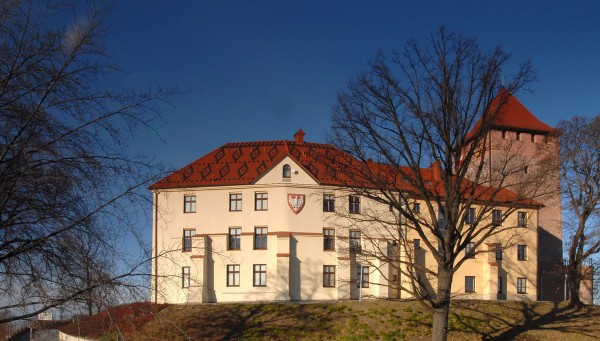 The Castle
The present castle was built at
the beginning of the 16th century and later it was converted and
rebuilt many times because of numerous fires and floods, which affected
Oświęcim.
After the fire in 1503 the castle was rebuild and
such restoration and toughening of the preserved fortification wall
lasted till 1534. At the beginning of the 17th century the building was
again destroyed by fire. As result of...
The Castle
The present castle was built at
the beginning of the 16th century and later it was converted and
rebuilt many times because of numerous fires and floods, which affected
Oświęcim.
After the fire in 1503 the castle was rebuild and
such restoration and toughening of the preserved fortification wall
lasted till 1534. At the beginning of the 17th century the building was
again destroyed by fire. As result of...
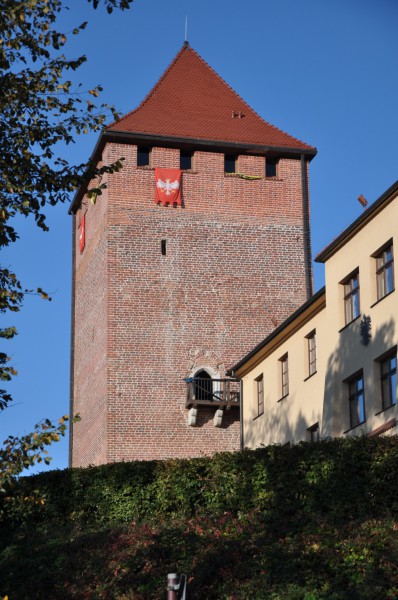 Defensive tower
Construction of the tower began after 1241, raising it up probably
within the reconstruction of the castle burned by the Tatars. The
basement of the construction is the plinth of the stone blocks. The
construction was completed at the beginning of the fourteenth century -
but instead of stone hand-molded bricks were used . The tower is built
on a square plan with a side length of about 10 m, the thickness of the
...
Defensive tower
Construction of the tower began after 1241, raising it up probably
within the reconstruction of the castle burned by the Tatars. The
basement of the construction is the plinth of the stone blocks. The
construction was completed at the beginning of the fourteenth century -
but instead of stone hand-molded bricks were used . The tower is built
on a square plan with a side length of about 10 m, the thickness of the
...
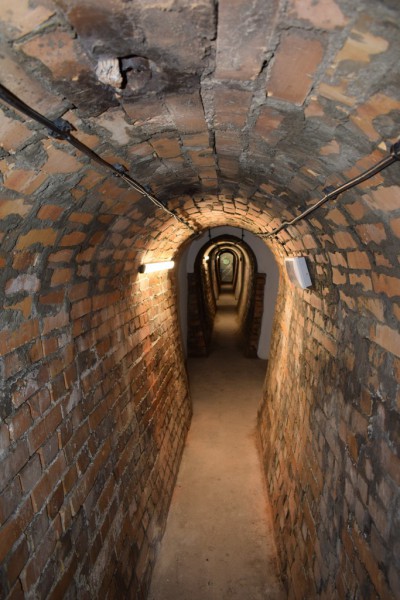 Tunnels
 under the castle hill intersect themselves ca. 11 m below
the castle's inner ward. The older one running the east-west axis and
newest oriented north-south.The older of the tunnels probably
dates from the late 18th century. Its creation may be related to the
ultimately unrealized Austrian plans for the reconstruction of the hill
and the castle building into a modern defensive stronghold. This tunnel
is entirely...
Tunnels
Tunnels under the castle hill intersect themselves ca. 11 m below
the castle's inner ward. The older one running the east-west axis and
newest oriented north-south.The older of the tunnels probably
dates from the late 18th century. Its creation may be related to the
ultimately unrealized Austrian plans for the reconstruction of the hill
and the castle building into a modern defensive stronghold. This tunnel
is entirely...
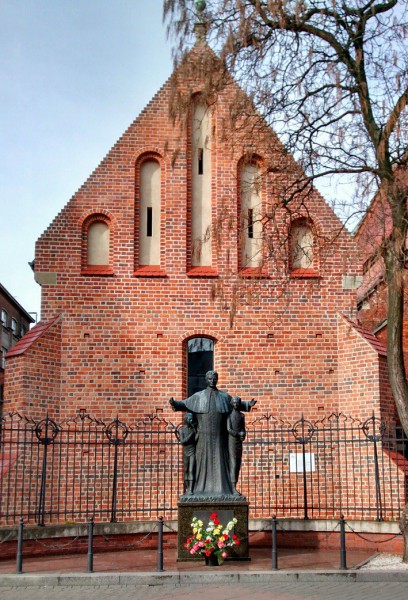 The Chapel of St. Jack
St. Jack's Chapel is the only building that remains from the
Dominican monastery complex in Oświęcim. Its erection, like that of
other Dominican buildings, was funded by the duke of Oświęcim in the
first half of the 14th century. Originally, it had the function of a
chapter house, i.e. the place where friars met and debated. In 1594, the
chapter house was transformed into the Chapel of St. Jacek Odrowąż, a
Polish Dominican...
The Chapel of St. Jack
St. Jack's Chapel is the only building that remains from the
Dominican monastery complex in Oświęcim. Its erection, like that of
other Dominican buildings, was funded by the duke of Oświęcim in the
first half of the 14th century. Originally, it had the function of a
chapter house, i.e. the place where friars met and debated. In 1594, the
chapter house was transformed into the Chapel of St. Jacek Odrowąż, a
Polish Dominican...
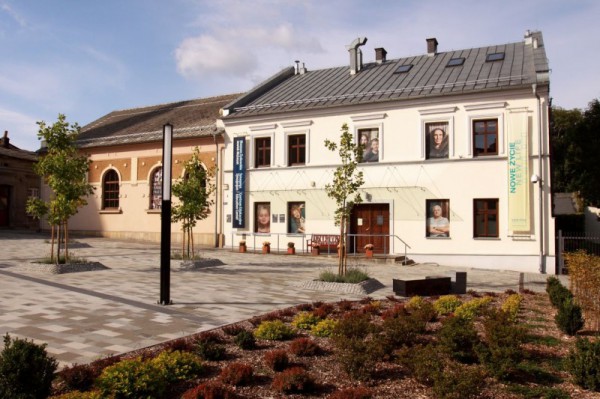 Chevra Lomdei Mishnayot Synagogue
 was founded in 1912 on the
plot, which was bought from Józef and Gishele Glass and functioned
until 1939. During II World War all synagogues in Oświęcim were
destroyed by Nazists except this one, which was changed into the
ammunition depot. After the war the survived Jewish residents of the
town restored the building sacral function. In the years 1992-1997 in
the building...
Chevra Lomdei Mishnayot Synagogue
Chevra Lomdei Mishnayot Synagogue was founded in 1912 on the
plot, which was bought from Józef and Gishele Glass and functioned
until 1939. During II World War all synagogues in Oświęcim were
destroyed by Nazists except this one, which was changed into the
ammunition depot. After the war the survived Jewish residents of the
town restored the building sacral function. In the years 1992-1997 in
the building...
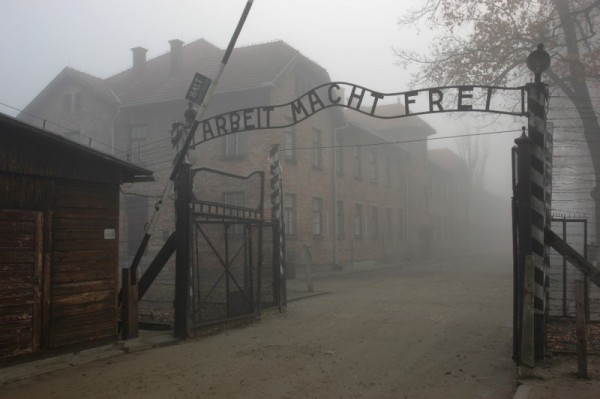 Memorial and Museum Auschwitz-Birkenau
The Museum was founded in 1947 on the site of the
former Konzentrationslager Auschwitz-Birkenau. The museum consists of
two integral parts: the former mother camp in Oświęcim (KL Auschwitz
Stamlager) and the former camp in Brzezinka. Visitors can visit the
sites of both camps with their reminded buildings, structures and
equipment and see the permanent exhibitions displayed in select blocks.
Visitors can see the museum...
Memorial and Museum Auschwitz-Birkenau
The Museum was founded in 1947 on the site of the
former Konzentrationslager Auschwitz-Birkenau. The museum consists of
two integral parts: the former mother camp in Oświęcim (KL Auschwitz
Stamlager) and the former camp in Brzezinka. Visitors can visit the
sites of both camps with their reminded buildings, structures and
equipment and see the permanent exhibitions displayed in select blocks.
Visitors can see the museum...
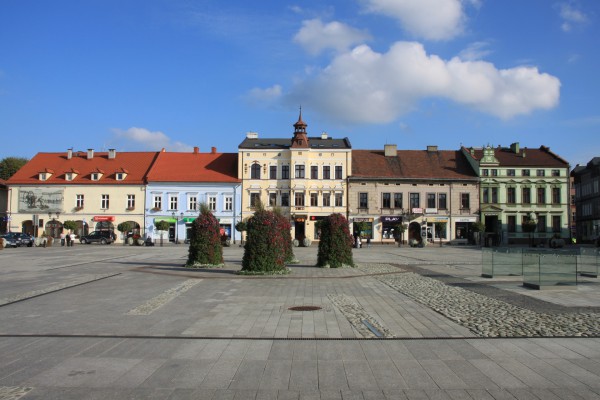 Market square
It was marked out in the
middle of the sixteenth century as the main market square in Oświęcim.
On frontages of market was wooden buildings. Layout of the land, in many
cases, is in line with the current architecture. It is known that in
the sixteenth century the storied town hall was built, but the buildings
around the market were still wooden. In the middle of the market,
according to the account of Jan Nepomucen Gątkowski,...
Market square
It was marked out in the
middle of the sixteenth century as the main market square in Oświęcim.
On frontages of market was wooden buildings. Layout of the land, in many
cases, is in line with the current architecture. It is known that in
the sixteenth century the storied town hall was built, but the buildings
around the market were still wooden. In the middle of the market,
according to the account of Jan Nepomucen Gątkowski,...
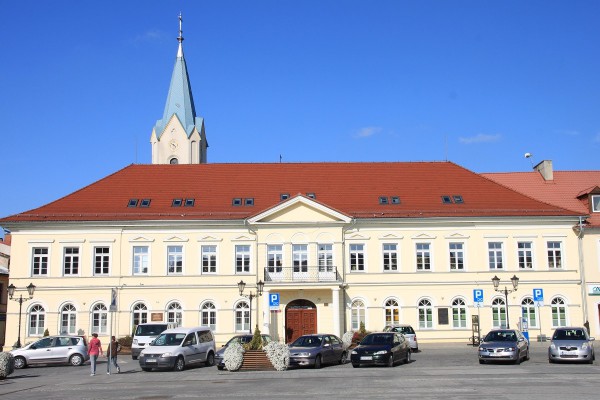 The Ślebarski's House
The extensive storey house was erected at the beginning of the XIX
century by priest Michał Ślebarski. This is a one-story brick building,
which was built in neoclassical style. During World War II Germany
slightly changed the look of the building, bringing it to a new feature -
the seat of their local authorities. Added then small tower on the roof
and the interior has been rebuilt . After the war the house was the
residence of,...
The Ślebarski's House
The extensive storey house was erected at the beginning of the XIX
century by priest Michał Ślebarski. This is a one-story brick building,
which was built in neoclassical style. During World War II Germany
slightly changed the look of the building, bringing it to a new feature -
the seat of their local authorities. Added then small tower on the roof
and the interior has been rebuilt . After the war the house was the
residence of,...
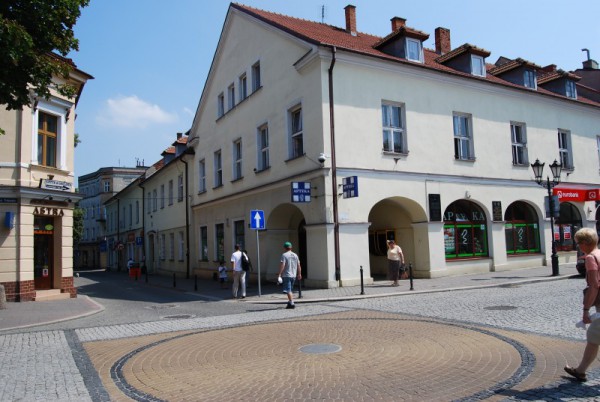 The Herz Hotel
Dating from the nineteenth century storey brick
house, which housed the Hotel "Herz". On the 7th of February 1915, on
the occasion of celebration in Oświęcim the anniversary of the January
Uprising 1863, the contemporary brigadier Józef Pilsudski was staying
there together with officer corps of the Polish Legions. During the
Second World War it was converted into a so called "Heimastil" with
typical arcades....
The Herz Hotel
Dating from the nineteenth century storey brick
house, which housed the Hotel "Herz". On the 7th of February 1915, on
the occasion of celebration in Oświęcim the anniversary of the January
Uprising 1863, the contemporary brigadier Józef Pilsudski was staying
there together with officer corps of the Polish Legions. During the
Second World War it was converted into a so called "Heimastil" with
typical arcades....
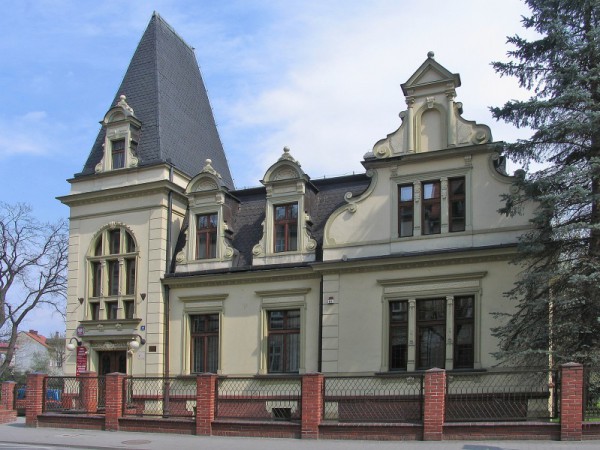 The Wedding Palace
Villa initially belonging to dr. Anthony Ślosarczyk
was built between 1903-1912. It is a one-storey brick building with
history like style characteristics with the predominance of
neo-Renaissance and neo-Baroque elements. From the east, to the building
adjoined a large garden - now the parking place is there. This villa is
often called "small castle" or "palace" because of the richness of
decoration dormer...
The Wedding Palace
Villa initially belonging to dr. Anthony Ślosarczyk
was built between 1903-1912. It is a one-storey brick building with
history like style characteristics with the predominance of
neo-Renaissance and neo-Baroque elements. From the east, to the building
adjoined a large garden - now the parking place is there. This villa is
often called "small castle" or "palace" because of the richness of
decoration dormer...
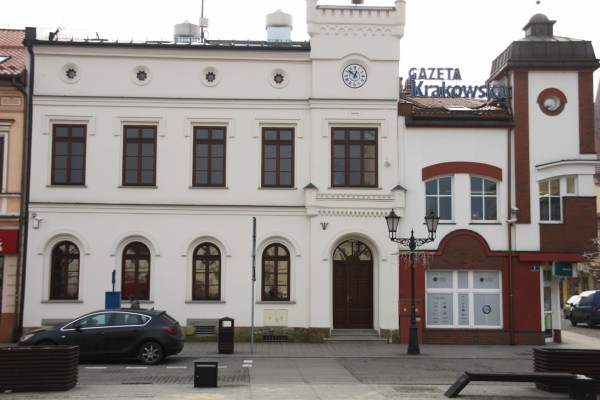 Town Hall
Dating from the second half of the nineteenth century building. It
has predominantly neo-Gothic style features. The asymmetric facade of
the town hall is distinctive, with a tower in the axis of the main
entrance. "Tower" is topped with a parapet with crenellations and two
corner towers. On the "tower" Town Hall in 1876 was placed clock -
replaced with a new one in 2001. The old Town Hall building for many...
Town Hall
Dating from the second half of the nineteenth century building. It
has predominantly neo-Gothic style features. The asymmetric facade of
the town hall is distinctive, with a tower in the axis of the main
entrance. "Tower" is topped with a parapet with crenellations and two
corner towers. On the "tower" Town Hall in 1876 was placed clock -
replaced with a new one in 2001. The old Town Hall building for many...
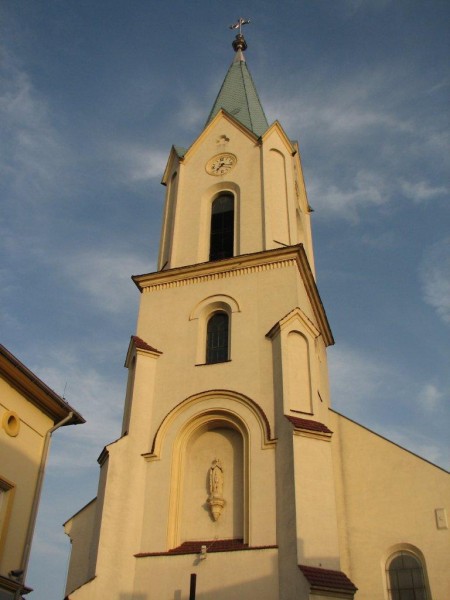 Church of the Assumption of the Blessed Virgin Mary
It is a three-nave building with rectangular closed
chancel and tower on the axis of the western facade and a chapel on the
north wall of the nave. Inside the church ceiling and pillars are
decorated with stucco decorations. The main altar, late Baroque, with
life-size statues of St. Peter and Paul from the eighteenth century,
was rebuilt in the second half of the nineteenth century. In the passage
from the nave to the chancel...
Church of the Assumption of the Blessed Virgin Mary
It is a three-nave building with rectangular closed
chancel and tower on the axis of the western facade and a chapel on the
north wall of the nave. Inside the church ceiling and pillars are
decorated with stucco decorations. The main altar, late Baroque, with
life-size statues of St. Peter and Paul from the eighteenth century,
was rebuilt in the second half of the nineteenth century. In the passage
from the nave to the chancel...
